
Sortation
The Race to Your Doorstep: How Small and Medium Brands Are Winning on Delivery Speed 2026
April 15, 2026
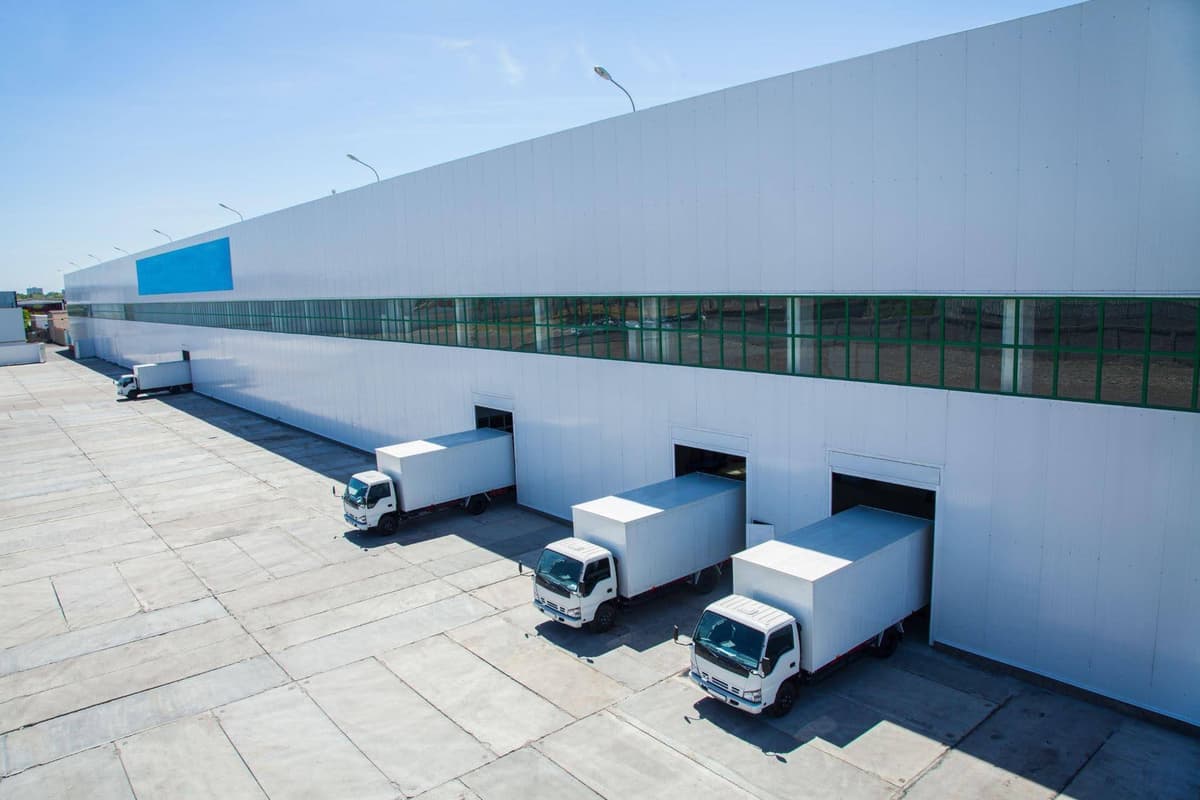
When the whole world became your customer, the warehouse became the battlefield.
Somewhere between 2010 and today, something quiet but seismic happened to retail. A fitness brand out of a garage in Birmingham found fans in Sydney and Sao Paulo. A beauty startup from Mumbai began shipping to Singapore. A fashion label in Istanbul woke up one morning to orders from Dubai. The internet had turned the entire globe into a single, borderless shopping mall, open around the clock, with no geography and no gatekeepers.
For small and medium ecommerce brands, this was the most exciting chapter in retail history. And the most brutal.
When every brand has the same products visible on the same screens, competition doesn't just increase. It intensifies across every dimension. Product quality. Pricing. Packaging. The smoothness of checkout. The quality of the unboxing. Brands compete on everything. But one battle cuts sharper than all the others.
Who gets the order there first.
Delivery speed is no longer a logistics metric. It is a brand decision. And the brands that cracked it did not win it at the courier's office. They won it on the warehouse floor.
Here are four of them.
Gymshark: When the brand outran the warehouse
Gymshark built a global cult following out of a garage in Birmingham. By the time it had scaled into a global brand, it had customers across four continents placing orders with the expectation of next-day delivery.
The warehouse in Solihull had not kept pace. During influencer drops and flash sales, pickers walked miles of aisles chasing products. Dispatch queues stretched to a week. The brand that had invested millions in a premium image was delivering a very different experience at the moment that mattered most: when the box arrived.
Gymshark deployed a goods-to-person robotic system. Robots now navigate a dense storage grid, retrieving product bins and bringing them directly to stationary picking stations. Pickers stopped walking. Throughput surged during peak periods. Picking accuracy reached near-perfect levels. Next-day delivery became reliable across the UK. The warehouse stopped being the weak link in the brand experience. It became part of the promise.
Nykaa: When a wrong shade ends the relationship
Nykaa built India's most trusted beauty platform on precision and curation. Thousands of brands. Hundreds of thousands of SKUs. Customers who knew exactly which shade of foundation they had ordered and would return the parcel without a second thought the moment they received something else.
Manual picking across their Mumbai and Delhi fulfillment centers was not built for that level of accuracy. Shade variants looked identical in packaging. Product codes differed by a single digit. Mis-picks were frequent, returns were expensive, and dispatch times stretched well beyond acceptable on a good day.
They installed put-to-light picking systems and automated conveyor sortation. Pickers now follow illuminated guides rather than reading labels by eye. The chance of a wrong pick dropped to near zero. Outbound sortation routes parcels to the right courier partner by pin-code, automatically. Dispatch time fell dramatically. Metro customers started receiving orders the next morning. Returns from wrong items dropped sharply. Customer satisfaction scores improved in the quarters that followed.
boohoo: When fashion moves faster than the pickers
boohoo's entire model runs on speed. New styles go live daily. Their customers decide they want something on a Monday and expect it before the weekend. A two-day delay doesn't just inconvenience them. It kills the purchase intent entirely and hands the moment to a competitor.
Their Burnley distribution center was processing millions of parcels a year through largely manual operations. During major campaigns, the floor could not keep up. Temporary staff poured in for peak periods. Errors multiplied. International dispatch became inconsistent at exactly the moment their global expansion needed the opposite.
boohoo mechanized Burnley. High-speed automated sorters now route garments to the correct dispatch lane by carrier and zone. Automated bagging machines handle packaging without manual folding or stuffing. Fulfillment that once required crisis hiring every peak season now runs on the mechanized backbone. UK next-day delivery became the default. International dispatch stabilized. The warehouse stopped being the ceiling on how fast the brand could move.
Trendyol: When the biggest sale day broke everything
Trendyol grew from a Turkish startup into one of the largest ecommerce platforms in its region, expanding across Central Asia and the Middle East. But growth had not fixed the core problem. During 11.11, the annual shopping festival that drives extraordinary order volumes, the Istanbul logistics hub simply broke. Manual operations buckled. Orders sat untouched for days. The brand absorbed trust damage at the exact moments it needed to earn it most.
They built a new fulfillment center outside Istanbul, anchored by a goods-to-person robotic system for fast-moving inventory and an automated sorting system built for high-volume ecommerce order fulfillment. Delivery in Istanbul dropped to same-day for a large share of orders. Nationwide delivery tightened dramatically. The brand that once dreaded 11.11 now runs the festival without a crisis.
The pattern showing up everywhere
Four brands. Four countries. Four completely different product categories. But the story underneath each one is identical.
A brand built something customers loved. Invested in product, in marketing, in experience. And then hit an invisible ceiling that no amount of advertising could break through. The warehouse.
Manual operations worked fine. Until they didn't. Growth exposed the bottleneck. And the brands that fixed it first stopped playing catch-up on delivery. They turned the warehouse into the competitive lead they built on.
Here is what is worth noting. Each of these brands had to find their own path to automation, through significant capital investment, long implementation timelines, and infrastructure overhauls that took months or years. There was no ready partner who could walk in, deploy fast, and deliver results without ripping everything out.
That is no longer the case.

Unbox Robotics exists for exactly the brands in these stories. Growing ecommerce operations that need warehouse automation to scale, without a years-long overhaul or a nine-figure budget. Our AI-powered warehouse robotics deploy fast, integrate with your existing fulfillment setup, and deliver measurable productivity gains from day one.
The world became one shopping mall. The fastest warehouse on the floor wins.
Is yours ready?