
Automation
E-commerce Fulfillment Automation: A Practical Guide to Automating Your Order Flow
August 02, 2026
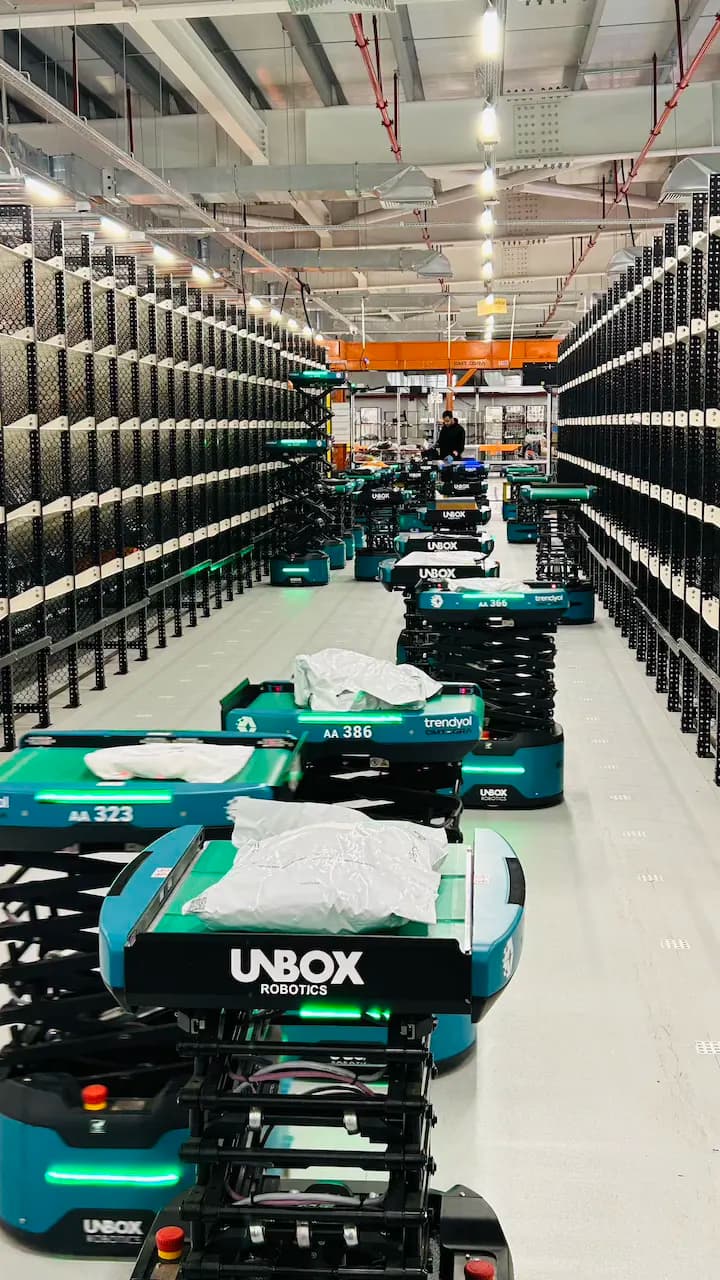
Every growing e-commerce brand hits the same wall. Orders climb, the team grows to match, the floor gets more crowded, and somehow shipping still slips during peak. Adding more hands stops working somewhere around the point where you are hiring temps just to survive the holidays. That wall is where fulfillment automation earns its keep. Done right, it lets you process more orders, more accurately, without your labor bill rising in lockstep.
Here is what fulfillment automation actually covers, how to tell when you need it, and a sensible order to roll it out so you are not betting the business on one big project.
What e-commerce fulfillment automation actually means
Fulfillment automation is the use of software and robotics to run the journey from “order placed” to “package out the door” with less manual effort. It is not one machine. It is a set of connected steps: receiving stock, storing it, picking the items for each order, consolidating and sorting those items, then packing and dispatching them.
The goal is not to remove people from the building. It is to stop people from doing the slow, repetitive, error-prone parts, walking miles a day, hunting for bins, hand-sorting parcels, so they can handle the judgment work instead. When the boring steps run themselves, throughput goes up and mistakes go down.

Figure 1. As order volume grows, manual labor cost climbs in step with it, while an automated operation absorbs an up-front cost and then flattens. The gap between the two lines is the widening labor saving that pays automation back.
The signs you have outgrown manual fulfillment
You usually feel the need before you can prove it. A few honest signals:
Your pickers walk more than they pick. Order accuracy dips whenever volume spikes. Peak season means overtime, temps, and a lot of crossed fingers. You are turning down growth, or delaying it, because the warehouse cannot keep up. And returns pile up because there is no fast way to process them back into stock.
If two or more of those sound familiar, you are already paying the cost of not automating. It just shows up as overtime, errors, and missed cut-offs instead of a line item.
The five stages you can automate
It helps to see fulfillment as stages, because you rarely automate all of them at once:
Stage | What it involves | Automation payoff |
|---|---|---|
Receiving | Booking in and verifying stock | Faster putaway, cleaner inventory data |
Storage | Holding stock efficiently | Denser storage, less wasted floor |
Picking | Gathering items per order | Less walking, higher pick rate |
Sortation and consolidation | Grouping items into orders and routes | Fewer mis-sorts, faster dispatch |
Packing and dispatch | Boxing and shipping | Consistent output, tighter cut-offs |
The two stages that usually hurt the most, and pay back the fastest, are picking and sortation. They are the most labor-heavy and the most error-prone, which is exactly why they are the smart place to begin.
Where to start (and where not to)
The mistake most teams almost make is trying to automate everything in one go. It is expensive, it is disruptive, and it puts your whole operation on a single project’s timeline. Do not do that.
Start with the stage that is costing you the most right now. For most high-volume e-commerce and 3PL operations, that is sortation and consolidation, because it sits at the pinch point right before dispatch and every delay there ripples into late shipments. Automate that first, prove the return, then expand into picking or receiving. This staged approach keeps the risk small and the wins visible, which also makes the next budget conversation much easier.
What it costs and what you get back
Costs vary with volume and scope, but the way to think about return is simple. Automation pays back through fewer labor hours, fewer errors and returns, less peak overtime, and reclaimed floor space. Most fulfillment automation projects target payback inside 18 to 36 months, and the sortation and picking stages tend to land at the faster end.
One number people forget: the cost of a bad peak. A single missed holiday season, with late deliveries and unhappy customers, can cost more than the system that would have prevented it. So when you build the business case, count resilience and accuracy, not just headcount saved.
How UnboxSort automates the core
Since sortation and consolidation are usually the first and most valuable stage to automate, that is worth a closer look. UnboxSort is a modular, AI-powered robotic parcel sortation system built on swarm intelligence. It slots into your existing four walls without fixed conveyor infrastructure, goes live in weeks, and sorts and consolidates several times more orders in the same space than a manual line. Because it is modular, you add robots as volume grows and reshape sort destinations in software, so the system flexes with your business instead of boxing it in. For an e-commerce brand automating the fulfillment flow, that turns the messiest step, getting the right items grouped and routed before dispatch, into your fastest one.
The takeaway: treat fulfillment automation as a staged plan, not a single purchase. Fix the most painful stage first, usually sortation and picking, prove the return, and scale from there. That is how you grow order volume without growing chaos.
Ready to automate the messiest stage first? Book a demo of UnboxSort →
FAQ
What is e-commerce fulfillment automation?
It is the use of software and robotics to run the order journey, from receiving to picking, sortation, packing, and dispatch, with less manual effort. The aim is higher throughput and fewer errors, not removing people entirely.
How much does fulfillment automation cost?
It depends on volume and scope, but most projects target payback in 18 to 36 months through lower labor, fewer errors, and reclaimed space. Sorting and picking usually pay back fastest.
Which part of fulfillment should I automate first?
Usually sortation and consolidation, because it sits right before dispatch and drives late shipments when it lags. Automate the most costly stage first, prove the return, then expand.
Can small and mid-sized brands afford to automate fulfillment?
Yes, when they use modular systems like UnboxSort that start small and scale, rather than a full fixed-conveyor build that demands a large upfront investment.